Top 5 Reasons People Without Children or Property File for Divorce
Top 5 Reasons People Without Children or Property File for Divorce
In my years of counseling individuals going through divorce, I have found that even couples without children or significant shared assets can face challenges that lead to the decision to end their marriage. Here are the top 5 reasons why people in this situation choose to file for divorce:
Lack of Communication: Communication is essential in any relationship, and when couples struggle to effectively communicate their needs and concerns, it can lead to misunderstandings and resentment.
Differing Values and Goals: Over time, individuals may realize that they have diverging values or goals, making it difficult to see a shared future together.
Growing Apart: People grow and change throughout their lives, and sometimes this growth leads partners to grow apart rather than together.
Infidelity: Trust is the foundation of any relationship, and when that trust is broken due to infidelity, it can be challenging to repair the damage.
Emotional or Physical Abuse: No one should have to endure abuse in a relationship. Whether it’s emotional or physical, abuse is never acceptable and is a valid reason to seek a divorce.
If you find yourself considering a divorce in a simple and mutual agreement, it’s essential to seek the right resources and support to navigate the process smoothly. Consider a simple divorce in mutual agreement for a less stressful experience.
Divorce is a significant life change, and having the right guidance and support can make the process more manageable. If you or someone you know is going through a divorce, reach out for counseling and legal advice to ensure a smoother transition.
Yoga has long been recognized for its mental health benefits, particularly in the realm of trauma processing and letting go. Combining the physical postures with mindful breathing and meditation can provide a holistic approach to healing. If you are seeking ways to release emotional baggage and find inner peace, these 5 yoga poses may offer you the solace you need.
1. Child’s Pose (Balasana)
This calming pose gently stretches the lower back, hips, thighs, and ankles while promoting a sense of security and surrender. Allow yourself to rest forehead to mat, arms extended, and breathe deeply into your back to release tension.
2. Bridge Pose (Setu Bandhasana)
Bridge pose opens the heart and stretches the chest, neck, spine, and hips. It can help in releasing stored emotions in the heart center and promote feelings of renewal and openness.
3. Warrior II (Virabhadrasana II)
This pose builds strength and stability while enhancing focus and concentration. As you sink into the powerful stance, visualize releasing any negativity or stress, allowing yourself to feel grounded and empowered.
4. Pigeon Pose (Eka Pada Rajakapotasana)
Pigeon pose is an intense hip opener that can release deeply held tension, particularly in the hips and lower back where emotional stress tends to accumulate. Breathe into any discomfort, acknowledging and letting go of any emotions that arise.
5. Corpse Pose (Savasana)
Finally, allow yourself to fully relax in Savasana, the ultimate pose of surrender and release. Focus on your breath and practice letting go of all thoughts, worries, and tensions, embracing a sense of peace and stillness within.
Remember, yoga is a personal journey, and it’s essential to listen to your body and mind throughout your practice. Be gentle with yourself and allow the poses to guide you towards healing and letting go.
For more ways to support your mental health and well-being, consider seeking counseling services. If you require legal assistance or have concerns about legal matters, get LegalShield to protect your rights and interests.
Divorce can be one of the most challenging experiences a person can go through, impacting all aspects of life – emotionally, mentally, and even physically. While the end of a marriage can feel like the end of the world, it is essential to remember that it is also the beginning of a new chapter in your life. Moving on after your divorce is a process that requires time, patience, and self-compassion.
As a divorce mediator with a background in psychology and law, I have worked with many individuals who are going through the difficult transition of divorce. Here are some strategies and tips to help you navigate this challenging time and move forward towards a brighter future:
1. Allow Yourself to Grieve
Divorce is a significant loss, and it is okay to grieve the end of your marriage. Allow yourself to feel all the emotions that come with it – sadness, anger, confusion. Seek support from a counselor or therapist who can help you process your feelings in a healthy way.
2. Focus on Self-Care
During this time of transition, it is crucial to prioritize self-care. Take care of your physical health by exercising, eating well, and getting enough rest. Nurture your emotional well-being by engaging in activities that bring you joy and practicing mindfulness or meditation.
3. Set Boundaries
Establishing clear boundaries with your ex-spouse can help you navigate the post-divorce relationship more smoothly. Communicate openly and honestly about your needs and expectations, and be willing to compromise when necessary. If communication becomes challenging, consider seeking the help of a mediator or counselor.
4. Let Go of Resentment
Harboring resentment towards your ex-partner will only hold you back from moving on and finding happiness. Practice forgiveness, not for their sake but for your own peace of mind. Letting go of bitterness and anger will free you to focus on building a positive future for yourself.
5. Seek Professional Support
Divorce counseling can be incredibly beneficial in helping you navigate the emotional challenges of divorce and develop coping strategies for moving forward. A skilled counselor can provide you with tools to manage stress, improve communication, and rebuild your self-esteem.
For more in-depth guidance on rebuilding your life after divorce, visit this website for resources and support.
Remember, divorce is not the end of your story but the beginning of a new chapter. By taking care of yourself, seeking support, and embracing the process of healing, you can move on from your divorce and create a fulfilling and joyful life for yourself.
Going through a divorce can be a challenging and emotionally draining experience. It is not just the end of a relationship but also the beginning of a new chapter in your life. As a divorce mediator with a background in psychology and law, I understand the complexities of rebuilding your identity post-divorce.
Here are some essential steps to help you navigate this journey of self-discovery and empowerment:
Allow Yourself to Grieve: It is okay to feel a range of emotions such as sadness, anger, or confusion. Give yourself permission to grieve the loss of your marriage and process your feelings.
Seek Support: Surround yourself with a strong support system of friends, family, or a therapist. Having a safe space to express your emotions and thoughts can be incredibly healing.
Rediscover Your Passions: Take this opportunity to reconnect with activities or hobbies that bring you joy. Whether it’s painting, hiking, or playing an instrument, investing time in your passions can help rediscover your sense of self.
Focus on Self-Care: Prioritize your physical and mental well-being by practicing self-care routines. This can include exercise, meditation, healthy eating, or any other activities that promote self-love and positivity.
Set New Goals: Create a vision for your future and set achievable goals that align with your values and aspirations. Whether it’s pursuing a new career path, traveling to a new destination, or learning a new skill, setting goals can give you a sense of purpose and direction.
Watch the video below for more insights on rebuilding your identity after divorce:
Remember, rebuilding your identity after divorce is a process that takes time and patience. Be kind to yourself, practice self-compassion, and believe in your ability to create a fulfilling and authentic life post-divorce.
A Notary’s Journey to Saving Her Marriage: Maria’s Story
As a remote notary in Florida, Maria’s days were often filled with paperwork, signatures, and deadlines. But behind her professional smile, Maria was struggling. Her marriage of ten years felt strained. She and her husband barely talked anymore, and the spark that once made them inseparable seemed to have fizzled.
“Being a notary means helping people sign documents to move forward in life,” Maria says. “But in my own life, I felt stuck. My husband and I were like strangers sharing a house.”
One evening, while notarizing a set of documents for a couple going through a divorce, Maria couldn’t help but wonder: Could that be us next?
That’s when she stumbled upon savemymarriage.online, a platform offering online therapy sessions designed to help couples rebuild trust, communication, and intimacy from the comfort of their own home.
“I had never considered therapy before. I always thought it was for couples who were on the brink of giving up,” Maria admits. “But what I found at savemymarriage.online was the opposite — it was a lifeline.”
Through weekly video sessions with a licensed therapist, Maria and her husband learned how to talk without fighting, how to listen without judgment, and how to prioritize their relationship in the midst of busy schedules.
“The convenience of online therapy was a game-changer for us,” Maria says. “As a remote notary, I’m used to technology making my work easier. It was refreshing to see technology help my marriage, too.”
Maria’s testimonial is a powerful reminder that even professionals who help others sign important documents sometimes need help themselves. Thanks to savemymarriage.online, Maria and her husband found the support they needed to fall in love again — one session at a time.
Want to experience the same transformation Maria did?
How Couples Therapy Can Help Prevent Divorce—Especially for Gay Couples
Divorce is never easy, and for many couples, the emotional toll of a failing relationship can feel overwhelming. But before calling it quits, many find that couples therapy offers a path to healing, reconnection, and understanding. This is especially true for gay couples, who often face unique challenges that can put strain on their relationships. With the right support, therapy can offer powerful tools to build stronger connections, navigate conflict, and prevent divorce.
Understanding the Unique Challenges Faced by Gay Couples
Gay couples share many of the same relationship struggles as heterosexual couples—such as communication issues, financial stress, and mismatched expectations. However, they may also face added pressures, including:
Societal and family rejection
Many gay couples experience a lack of acceptance from their families or communities, which can lead to feelings of isolation, secrecy, or stress in the relationship.
Internalized homophobia
Growing up in a society that marginalizes LGBTQ+ identities can lead to internalized shame or insecurity, which can spill over into relationship dynamics.
Disagreements about “outness”
One partner may be fully out and open, while the other is not. This mismatch can create tension, especially when it affects social circles, careers, or family relationships.
Navigating non-traditional roles
Without rigid gender expectations, gay couples have the freedom to define their own roles—but this can also lead to confusion, disagreement, or resentment if not clearly communicated.
Limited relationship role models
Many gay individuals grew up without seeing healthy LGBTQ+ relationships represented, which can make it harder to model positive conflict resolution or long-term commitment.\
How Couples Therapy Can Help
Couples therapy provides a safe and structured environment to work through challenges—both everyday and deeply rooted. Here’s how therapy can help gay couples avoid divorce:
1. Improved Communication
Therapists help couples recognize unhealthy communication patterns like stonewalling, criticism, or defensiveness. By learning to listen actively and express needs clearly, couples can avoid misunderstandings that often escalate into major issues.
2. Conflict Resolution Skills
All couples argue—but it’s how those arguments are handled that determines relationship health. Therapy teaches techniques like fair fighting, empathy-building, and de-escalation strategies that help partners work through conflict rather than avoid or explode.
3. Healing From Past Trauma
Therapists can help individuals address personal baggage that may be affecting the relationship—such as past abuse, rejection, or shame about one’s identity. This healing process can ease tension and build a foundation of trust.
4. Navigating Identity and Coming Out Issues
For couples dealing with “outness” discrepancies or identity questions, a therapist can guide conversations in a supportive and nonjudgmental way. This fosters understanding and helps create shared goals for how to move forward as a couple.
5. Creating Shared Values and Goals
Therapy provides a space for partners to talk about long-term goals—whether it’s marriage, children, career, or retirement plans. Aligning on future vision is key to preventing resentment and disconnect.
6. Affirming LGBTQ+ Experience
Working with a therapist who understands LGBTQ+ identities is critical. An affirming therapist validates your experiences and helps you explore relationship dynamics in a culturally competent way. This creates a more effective and supportive environment for growth.
Choosing the Right Therapist
Not all therapists are created equal. For gay couples, it’s important to find someone who:
Is LGBTQ+ affirming and experienced in queer relationship dynamics
Respects both partners’ identities and perspectives
Understands intersectionality, including race, gender identity, and cultural background
Ask potential therapists about their experience with LGBTQ+ clients before beginning sessions. You deserve to feel safe and seen in your healing journey.
Final Thoughts: Therapy Is a Tool, Not a Last Resort
Therapy isn’t just for couples on the brink of divorce—it can be a proactive way to strengthen your relationship before things become unmanageable. For gay couples navigating the added pressures of societal expectations, therapy can be a powerful anchor that fosters empathy, understanding, and long-lasting love.
Rather than viewing therapy as a sign of failure, think of it as relationship maintenance—like a tune-up for your emotional connection. With the right tools and support, many couples find a deeper appreciation for each other and a renewed commitment to staying together.
Separation can feel overwhelming, particularly when browsing Florida’s legal system. Advocating for yourself effectively is necessary to accomplishing a reasonable result. Below is a list of suggestions on just how to do it:
** 1. Understand Your Civil liberties **.
Florida is a no-fault divorce state, implying neither party requires to verify misdeed. Recognizing this can help you focus negotiations constructively instead of psychologically.
** 2. Plainly Specify Your Goals **.
Before entering conversations, clearly recognize what matters most to you. This might consist of custodianship plans, residential or commercial property department, financial support, or retaining specific possessions. Having defined objectives ensures you bargain with quality and confidence.
** 3. Gather Documents **.
Gather appropriate files, such as bank statements, building acts, income tax return, retirement accounts, and evidence of financial obligations. Comprehensive documents strengthens your placement during mediation or court proceedings.
** 4. Keep Organized **.
Maintain an organized document of all communications related to the separation, consisting of e-mails, messages, and voicemails. File agreements or problems clearly to support your stance.
** 5. Connect Plainly and Calmly **.
When bargaining, keep clear, tranquil, and considerate interaction. Feelings can run high, but staying composed assists you promote effectively.
** 6. Think about Mediation **.
Florida courts frequently urge arbitration to settle separation problems amicably. Arbitration allows both parties to discover mutually acceptable services, offering you a lot more direct control over outcomes.
** 7. Look For Expert Recommendations **.
Consulting an attorney, also briefly, can substantially clarify your lawful standing and educate your methods. Furthermore, financial experts or therapists can offer important assistance and support.
** 8. Prioritize Your Emotional Wellness **.
Self-advocacy consists of emotional care. Consider therapy, support system, or stress-management techniques to maintain yourself healthy and balanced and concentrated.
** 9. Know When to Concession **.
Be clear on your non-negotiables, but stay open up to practical concessions. Adaptability can speed up the separation procedure and result in acceptable outcomes.
By taking these aggressive steps, you’ll encourage on your own to navigate Florida divorce procedures with self-confidence and quality, ensuring your voice is heard and your rights safeguarded.
Mental Health Challenges During COVID-19 and Progress by 2025
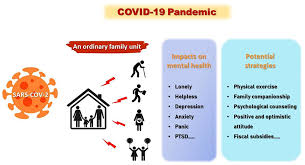
The COVID-19 pandemic has profoundly impacted global mental health, leading to a significant rise in mental health disorders. In March 2022, the World Health Organization (WHO) reported a 25% increase in the prevalence of anxiety and depression worldwide during the first year of the pandemic. This surge was attributed to factors such as social isolation, fear of infection, and financial stress.
As of January 2025, while the acute phase of the pandemic has subsided, mental health challenges persist. The World Economic Forum’s Global Risks Report 2025 highlights a decline in health and well-being as a significant interconnected risk, emphasizing the ongoing mental health crisis. Additionally, the WHO’s 2025 Health Emergency Appeal underscores the widening gap in humanitarian funding, which affects the availability of mental health services.
Despite these challenges, there have been advancements. The rapid adoption of telemental health services during the pandemic has improved access to care for individuals with conditions like schizophrenia. Furthermore, global research initiatives have identified numerous genetic risk factors for depression, paving the way for more personalized treatments.
In conclusion, while some progress has been made in addressing mental health issues since the onset of the pandemic, significant challenges remain. Ongoing efforts are essential to enhance mental health services and support worldwide.
Divorce is one of the most emotionally and mentally taxing experiences a person can face. If you’re filing for divorce in Tampa, seeking counseling can make the process healthier and more manageable. Here’s why counseling should be a part of your journey:
1. Emotional Support
Divorce can lead to feelings of loss, anger, and confusion. A professional counselor provides a safe space to process these emotions and helps you maintain clarity in your decisions [3].
2. Improved Communication
Counseling can help you navigate difficult conversations with your spouse, especially if you have children. Clear communication reduces conflict and promotes amicable resolutions [5].
3. Co-Parenting Strategies
For divorcing parents, counseling focuses on building effective co-parenting strategies to prioritize the well-being of the children during and after the divorce [3].
4. Reducing Stress
Counseling equips you with tools to manage stress, ensuring your mental health remains stable throughout the legal process [5].
5. Decision Clarity
A counselor can help you reflect on whether divorce is the right step or if reconciliation is possible. This ensures you make a thoughtful, informed choice [3].
Where to Start
In Tampa, there are numerous counseling centers and professionals ready to help. For instance, the Relationship and Divorce Counseling Center offers support tailored to divorcing individuals [3]. Dr. Stacey Scheckner also provides personalized therapy to help you navigate this life transition [5].
Remember: Divorce may end a chapter, but it’s also the start of a new one. With counseling, you can embrace this change with resilience and strength.
Changing Careers to Improve Mental Health After Burnout
Burnout is becoming an increasingly common issue in today’s fast-paced work environments. Many professionals find themselves drained, disillusioned, and unsure of how to proceed. However, for those feeling trapped, a career change can offer a new sense of purpose and a fresh start, improving both mental and physical health.
Why Career Changes Can Help
1. **Mental Health Reset**: Moving into a new field offers the opportunity to escape the stressors of the old job, reducing chronic stress and burnout symptoms like fatigue, anxiety, and depression [[1](https://www.themuse.com/advice/how-to-realistically-change-careers-when-your-current-job-totally-drains-you)].
2. **New Opportunities for Growth**: Transitioning to a different career can reignite passion and creativity, helping to build resilience and happiness. It allows you to expand your skill set and embrace new challenges that align better with your values [[3](https://www.theguardian.com/lifeandstyle/2021/jun/08/a-career-change-saved-my-life-the-people-who-built-better-lives-after-burnout)].
Sense Art Catering: A Success Story
A shining example of a successful career transition is Sense Catering, a luxury catering company based in Miami. Chef shifted his focus to avant-garde French cuisine, building a thriving business that caters to elite weddings and events. This change not only allowed him to pursue his passion but also created a flourishing career free from the stress of previous jobs.
Changing careers isn’t always easy, but with the right mindset and support, it can open doors to better mental health and a more fulfilling life.
## 🌐 Sources
1. [themuse.com – How to Change Careers When You’re Burnt Out](https://www.themuse.com/advice/how-to-realistically-change-careers-when-your-current-job-totally-drains-you)
2. [theknot.com – Sense Art Catering](https://www.theknot.com/marketplace/sense-art-miami-fl-2061671)
3. [theguardian.com – Career Changes After Burnout](https://www.theguardian.com/lifeandstyle/2021/jun/08/a-career-change-saved-my-life-the-people-who-built-better-lives-after-burnout)